

Gold Melting Techniques
- Torch Melting: Using an oxygen-acetylene torch to heat gold to its melting point.
- Induction Melting: A modern method utilizing electromagnetic fields to heat and melt gold efficiently.
- Crucible Melting: Traditional technique using graphite or ceramic crucibles to contain and melt gold.
- Temperature Control: Learning precise temperature management to prevent impurities and maintain gold quality.
- Gold Refining: Techniques for purifying gold by removing impurities and unwanted alloys.
Casting Techniques
- Lost-Wax Casting: A detailed process where a wax model is encased in a mold, melted out, and replaced by molten gold to create intricate designs.
- Centrifugal Casting: Using centrifugal force to push molten gold into the mold for high precision.
- Vacuum Casting: Ensuring smooth and detailed jewelry surfaces by reducing air bubbles and imperfections.
- Sand Casting: A traditional method using sand molds for creating unique textures and shapes.
- Investment Casting: Using heat-resistant plaster molds to achieve intricate detailing in jewelry pieces.
Gold Alloying and Composition
- Understanding Alloying Metals: Learning how silver, copper, zinc, and other metals affect gold’s hardness, durability, and color.
- Creating Different Gold Shades: Techniques to produce yellow gold, white gold, rose gold, and green gold.
- Testing Gold Purity: Using acid tests, electronic gold testers, and specific gravity methods to ensure gold quality.
Mold Making and Preparation
- Rubber and Silicone Molds: Creating flexible molds for repeated jewelry production.
- Plaster and Ceramic Molds: Producing high-precision molds for detailed jewelry designs.
- Wax Carving: Handcrafting detailed wax models before casting.
Gold Pouring and Cooling
-
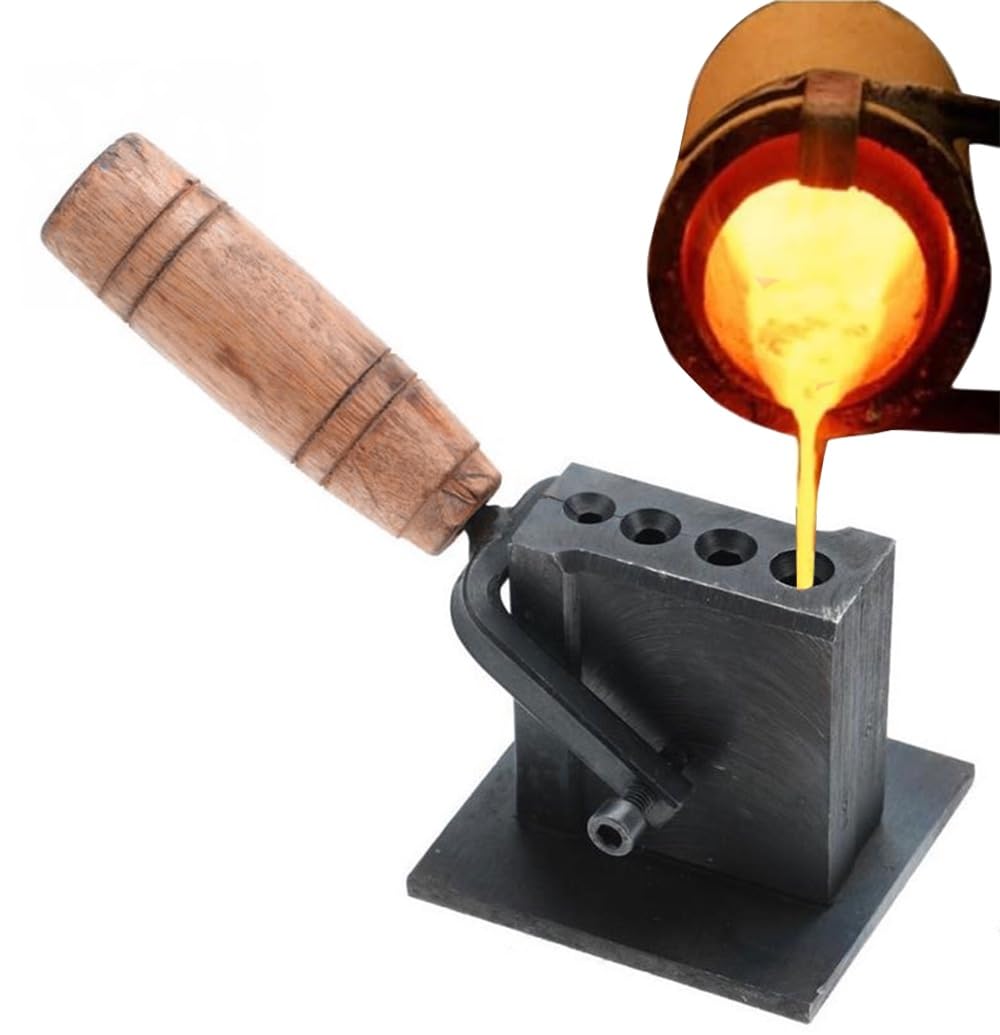
- Molten Gold Handling: Best practices for safely pouring molten gold into molds.
- Cooling and Solidification: Ensuring proper cooling to avoid cracks and distortions.
- Casting Defects and Corrections: Identifying and rectifying shrinkage, porosity, and incomplete fills.